Carpal Tunnel Syndrome (CTS) is a condition caused by the compression of the median nerve as it travels through the carpal tunnel in the wrist. The median nerve is one of the main nerves of the hand and controls sensation in the thumb, index, middle, and part of the ring finger. The carpal tunnel is a narrow passageway made up of bones and ligaments at the base of the hand. When swelling or pressure occurs in this space, the nerve becomes compressed, resulting in the symptoms of carpal tunnel syndrome.
Carpal tunnel syndrome is the most common nerve compression syndrome, and while its exact cause is often unknown, it is thought to be related to swelling of the contents in the tunnel or thickening of the surrounding ligament. This condition affects people of all ages but is more common in women and older adults.
While carpal tunnel syndrome is generally classified as a single condition, it can vary in severity and chronicity:
While the cause of carpal tunnel syndrome is often unknown, a variety of factors can contribute to the development of the condition:
The most common symptoms of carpal tunnel syndrome include:
The ankle joint comprises several key structures that are critical to its function and stability. The tibia, or shin bone, forms the upper part of the ankle joint, while the talus, or ankle bone, makes up the lower part. These bones are covered with cartilage, a smooth, rubbery tissue that allows for effortless and pain-free movement. In the context of ankle arthritis, this cartilage deteriorates, leading to bone-on-bone contact, which is a primary source of pain and discomfort.
Ligaments, which are strong bands of tissue, connect the bones and provide stability to the joint. They ensure the proper alignment and movement of the ankle. Additionally, the synovium, a membrane lining the joint, produces synovial fluid that lubricates the joint, facilitating smooth motion. When arthritis sets in, the loss of cartilage combined with possible inflammation of the synovium exacerbates joint stiffness and pain. This degeneration impacts the overall function and biomechanics of the foot, often leading to compensatory changes in gait and posture to alleviate discomfort.
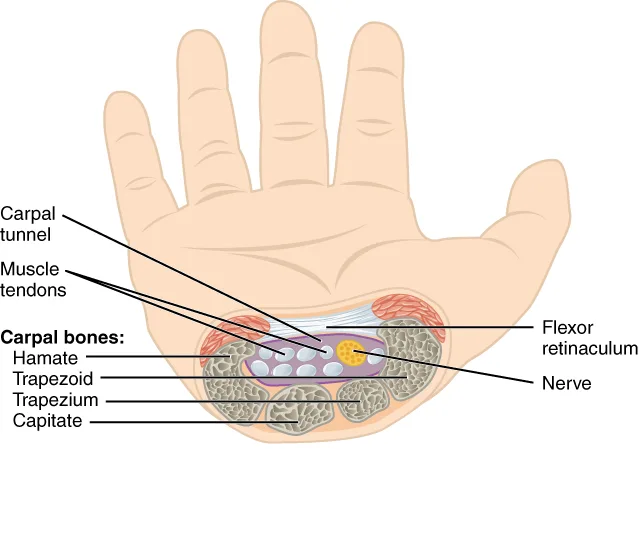
Non-surgical treatment is often the first approach for managing carpal tunnel syndrome, especially when symptoms are mild or intermittent. Common non-surgical options include:
When non-surgical treatments fail to provide relief, or if symptoms worsen, surgical intervention may be necessary. Surgery for carpal tunnel syndrome aims to relieve pressure on the median nerve by releasing the transverse carpal ligament. Surgical options include:
Both procedures are usually performed as day surgery under local anaesthetic, with patients returning home the same day. Recovery typically involves wearing a soft dressing and avoiding heavy lifting for six weeks. Light activities, such as using the hand for basic tasks, can be resumed immediately after surgery, and sutures are removed after two weeks.
Most patients experience significant relief following surgery, with a gradual return to full hand function. While recovery times vary, most individuals regain strength and sensation within several weeks to months, though it may take longer for severe cases. In some instances, if carpal tunnel syndrome has caused permanent nerve damage, complete recovery may not be possible.rength and function, can take up to six months.